
This article contains affiliate links. As an Amazon Associate, an eBay Partner and an affiliate for other trusted beekeeping suppliers, I earn from qualifying purchases if you buy through these links, at no extra cost to you.
Honey harvesting is complete. Late-summer varroa treatments are under way. Thick 2:1 sugar syrup is feeding the colony, while foragers gather late pollen from ivy and autumn asters. At the same time, the queen reduces her brood production.
Now is the time to button down the apiary for cold weather. Follow this essential checklist to secure your colony for winter survival.
Managing Comb and Hive Stores
1. Remove the Queen Excluder
Take off your queen excluder before cold temperatures arrive. As winter sets in, the worker bees cluster together and move upward toward their honey stores. Workers slip easily through an excluder, but the larger queen cannot. An isolated queen left behind in the cold brood box will quickly perish.
2. Nadiring a Super of Stores (Under-Supering)
If you leave a full shallow super of honey for your bees, place it directly onto the hive floor with the brood chamber sitting on top—a technique known as nadiring.
- The Thermal Benefit: Because heat naturally rises, the colony clusters near the top in the brood chamber. They gradually move upward through their primary brood box stores first, moving down to draw food from the bottom super only as needed, or naturally moving stores up into the warm zone.
- Calculating Winter Stores: A standard UK colony requires approximately 18 to 23 kg (40–50 lbs) of sealed stores to survive until spring. A well-filled shallow super holds around 13 to 16 kg, and the outer frames of a brood chamber provide another 11 to 14 kg, easily giving the colony the nutritional reserves it needs.
Protecting The Hive from Winter Pests
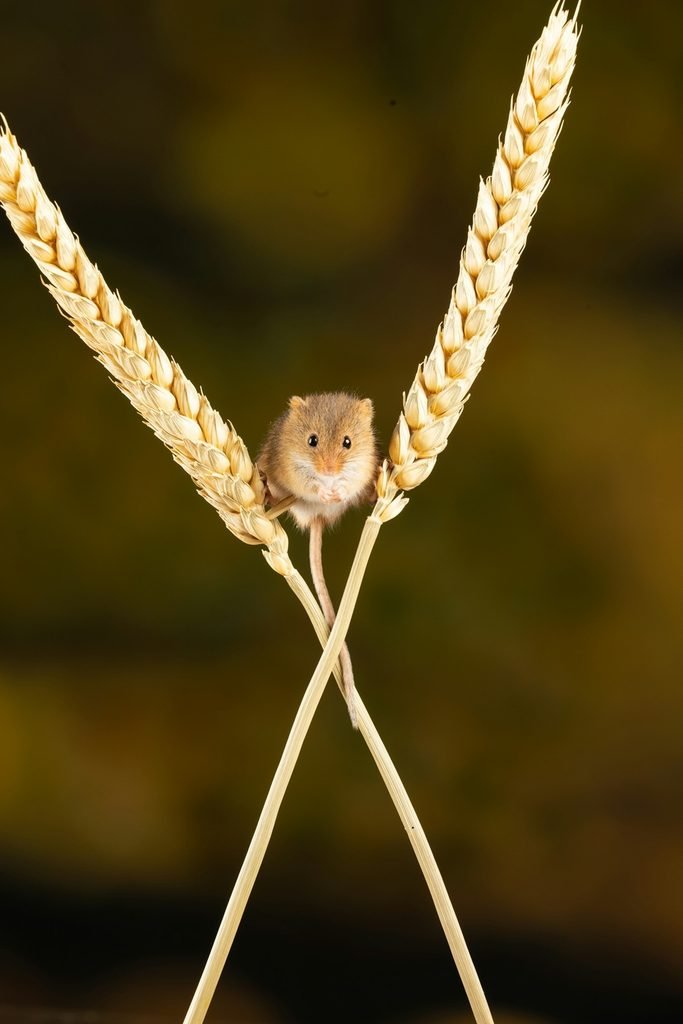
Photo by Nick Fewings on Unsplash
3. Reduce Entrances & Fit Mouse Guards
Swap out any wide summer or wasp reducer blocks for a narrow winter entrance, and fit a perforated metal mouse guard before the first hard frosts hit (late September to early October). As autumn temperatures fall, field mice search for warm, sheltered nesting sites. A mouse entering a hive will chew through comb, consume stores, and foul the floor, causing stress that often leads to dysentery or colony loss.

Photo by Patrick Kalkman on Unsplash
4. Woodpecker & Pest Protection
In rural or wooded areas, green woodpeckers present a real threat. During winter freezes, they will hammer through wooden hive walls to reach the dormant, defenseless cluster inside. Wrap your hives in heavy-gauge chicken wire or plastic mesh, taking care to leave a 5 to 8 cm gap between the wire and the hive walls so the birds cannot strike through.
Overwintering Actions to Consider
Here are five winterisation suggestions recommended in the UK:
- Ratchet Straps / Hive Weighting: Winter gales regularly topple unprotected hives. Secure your stack to the hive stand with a heavy-duty ratchet strap, or place a heavy masonry block on top of flat roofs.
- Top Insulation & Anti-Condensation Strategy: Cold rarely kills a colony in the UK; damp and condensation do. Add a slab of 50mm rigid PIR insulation (Kingspan/Celotex) inside an empty super directly above the crown board to keep the ceiling warm and stop condensation raining back down on the cluster. If your apiary is exposed to heavy weather, using a breathable, purpose-built wrap like the Celtic Beehive Thermal Jacket and Hat Set on eBay provides multi-layer insulation and waterproof roof protection without trapping internal humidity.
- A Forward Slight Tilt: Adjust the hive stand so the hive has a very slight forward tilt ensuring driving rain runs off the landing board and condensation trickles down the front wall away from the comb, rather than pooling inside the floor.
- Clearing the Open Mesh Floor: Leave the varroa inspection tray out during the core winter months so the open mesh floor can breathe, preventing stagnant, moist air from building up inside the brood chamber.
- Mid-Winter Feeding Plan (Fondant): Winter syrup feeding must cease once cold weather arrives (bees cannot evaporate excess water from liquid feed without creating high humidity), and that emergency feeding from December onwards should strictly be done using baker’s fondant or Fondabee placed over the crown board feed hole. You can check current pricing and pack sizes for Fondabee Bee Fondant on eBay to have stores on hand before freezing weather sets in.
Featured Photo by Brad Weaver on Unsplash
1 thought on “Over wintering Preparation”