This article contains affiliate links. As an Amazon Associate and an affiliate for other trusted beekeeping suppliers, I earn from qualifying purchases if you buy through these links, at no extra cost to you.
Proper hive maintenance should never be overlooked. Regularly treating the exterior wood significantly extends your hive’s longevity, shielding it from the harsh elements of sun, rain, and changing seasons.
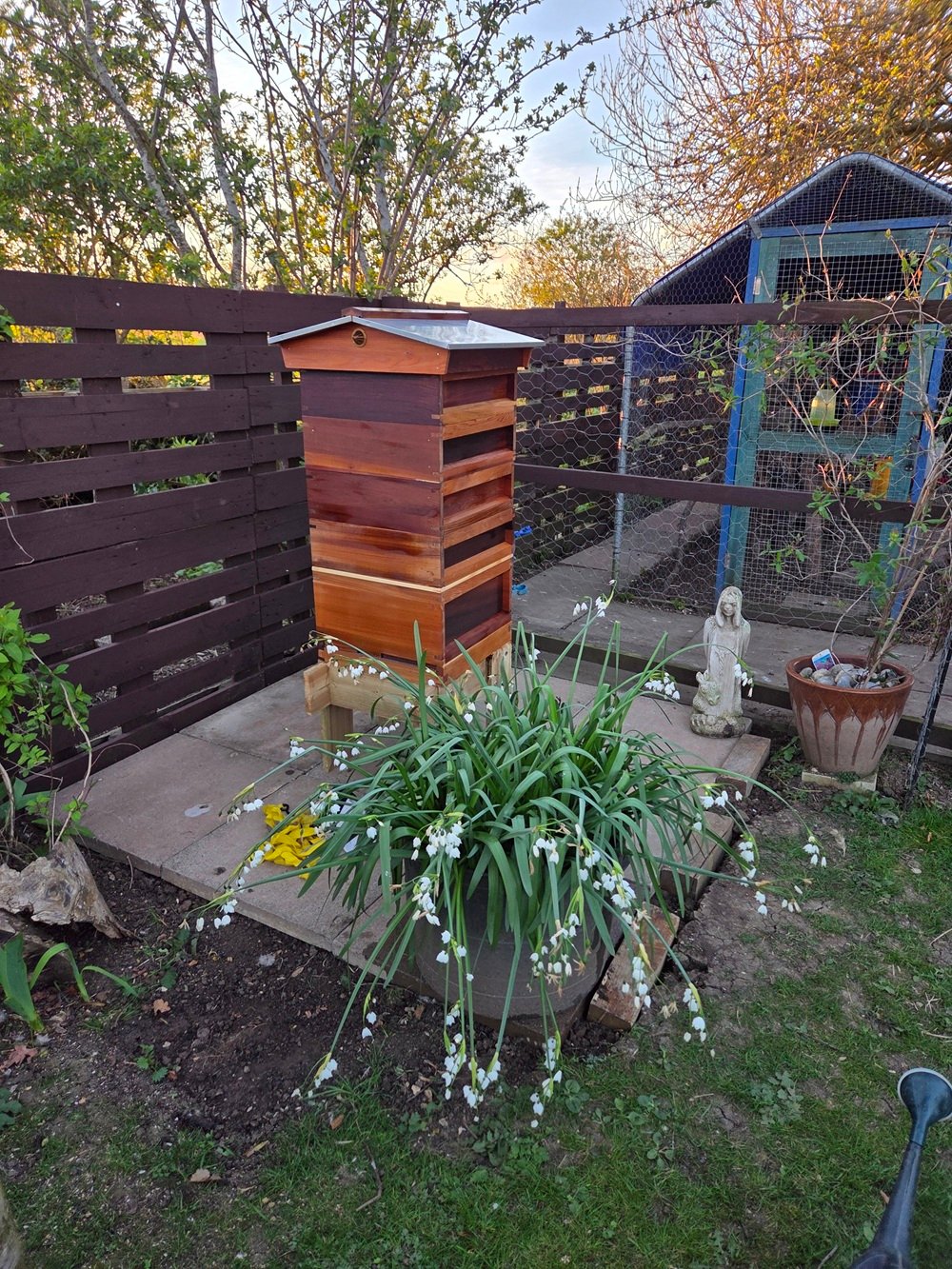
Below is my cedar National hive, shown here freshly treated with raw linseed oil:
Why Choose Natural Wood Protection?
I prefer using natural wood treatments because they are far better for the environment and, most importantly, safer for the health of the colony.
A golden rule of hive maintenance: Only treat the exterior of your hive and keep the interior completely natural.
Honeybees naturally coat the inner walls with propolis—a sticky, resinous substance they produce that acts as a natural sealant against drafts and moisture. Introducing artificial oils or chemical preservatives to the inside of the hive can harm the bees, interfere with propolis production, and inhibit the hive’s ability to naturally regulate its own internal humidity.
Choosing the Right Product: Raw Linseed Oil
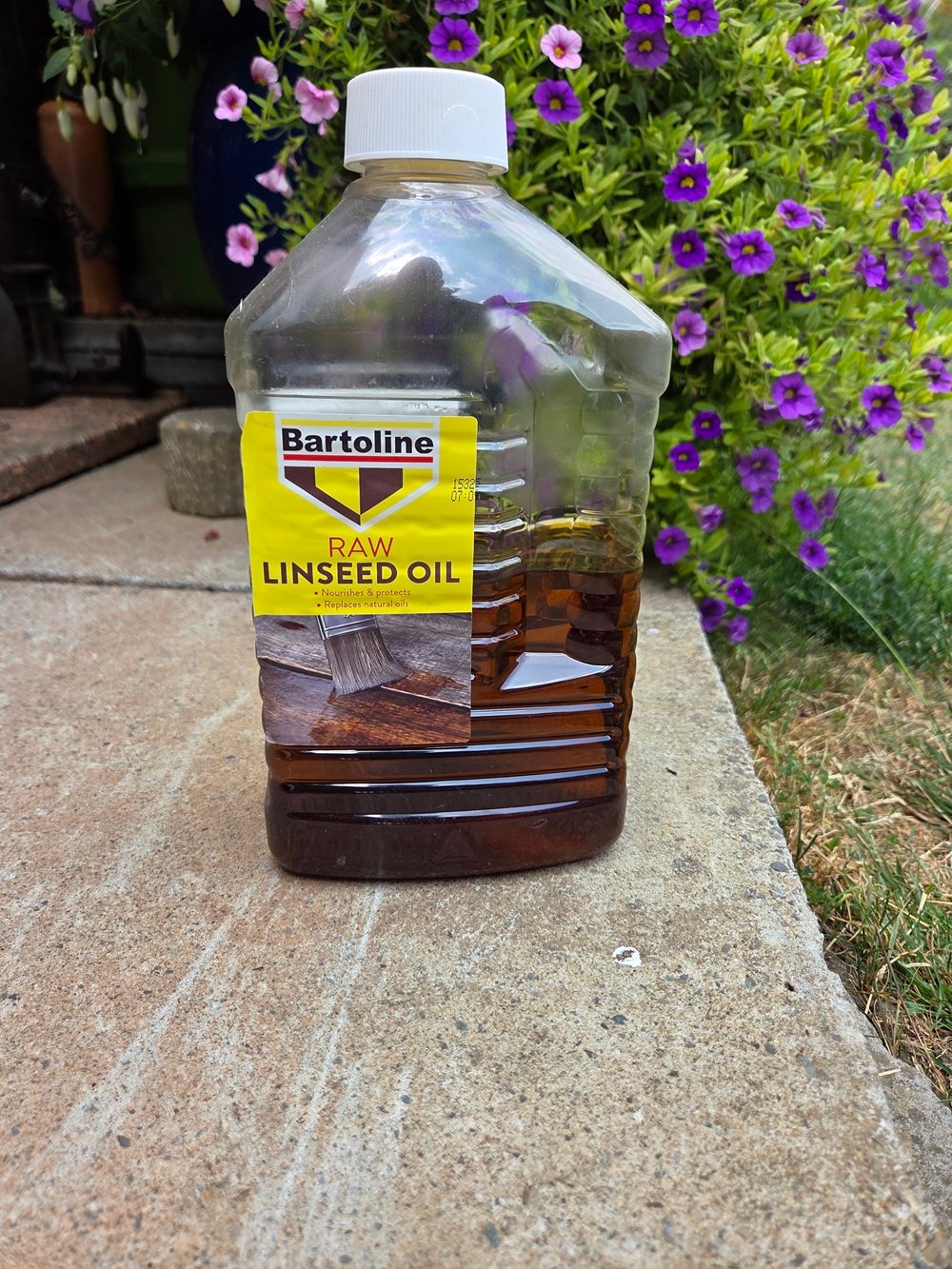
Raw linseed oil is derived from flaxseed and is 100% natural, making it an ideal choice for cedar woodwork. If you decide to use linseed oil, always ensure you purchase raw linseed oil rather than boiled. Boiled linseed oil often contains chemical metallic driers and additives that are unsuitable for a beekeeping environment.
Application Tips
When applying raw linseed oil to a cedar hive, you will quickly notice how thirsty the dry wood is.
- Coat Count: Depending on how dry the wood is, you may want to apply two coats to ensure thorough saturation.
- Technique: Use a medium-sized paintbrush and carefully work the oil into the grain of the wood, wiping away any excess pooling.
Taking a little time to properly maintain your exterior woodwork pays off immensely, keeping your hive structurally sound and looking sharp in the apiary for years to come.
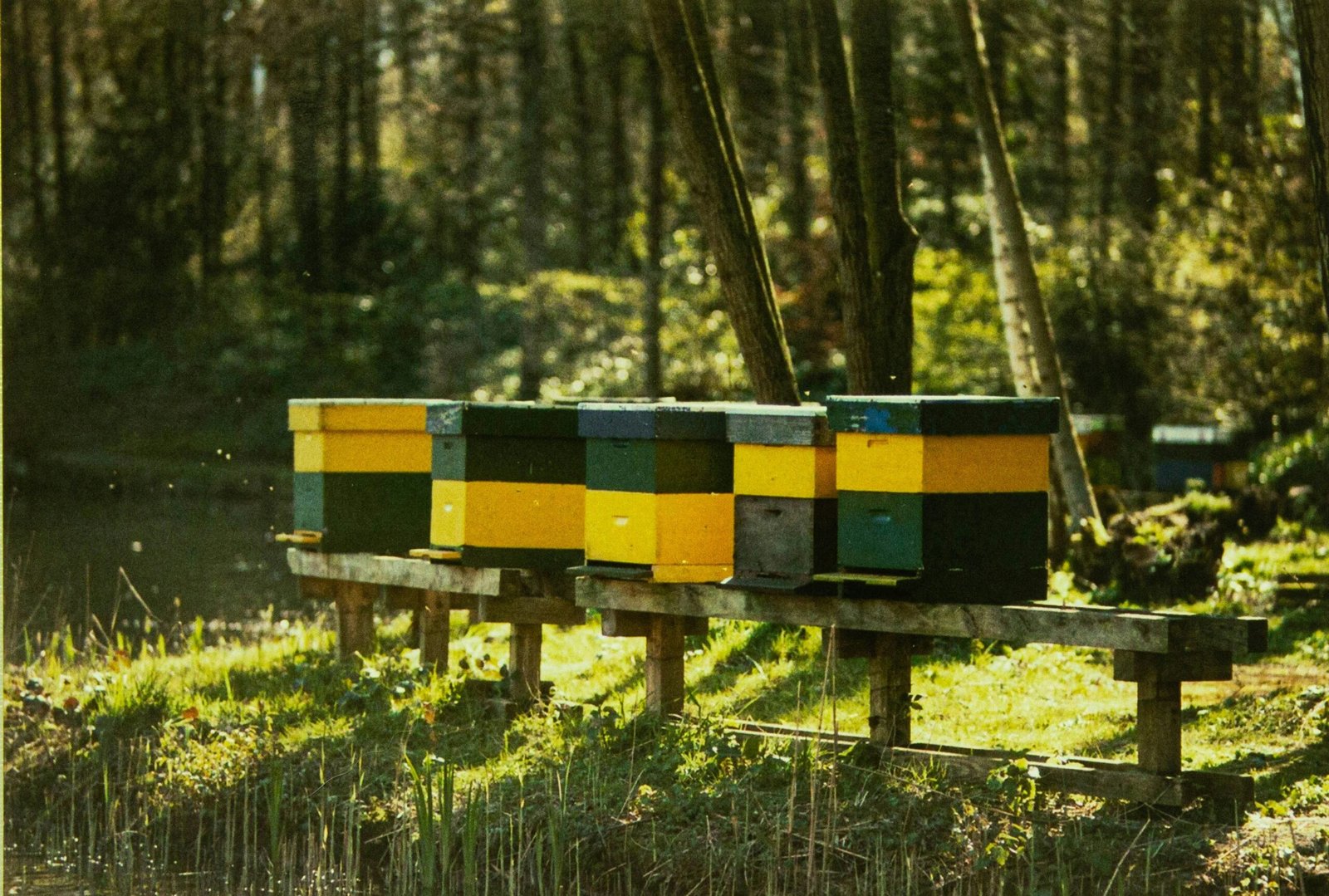
Featured Photo credit: Floris Bronkhorst on Unsplash.