This article contains affiliate links. As an Amazon Associate and an affiliate for other trusted beekeeping suppliers, I earn from qualifying purchases if you buy through these links, at no extra cost to you.
As you set out on your beekeeping journey, one of the biggest decisions you will face is choosing your equipment. What beehive types are actually out there—and more importantly, which one is best for you and your bees?
The British National
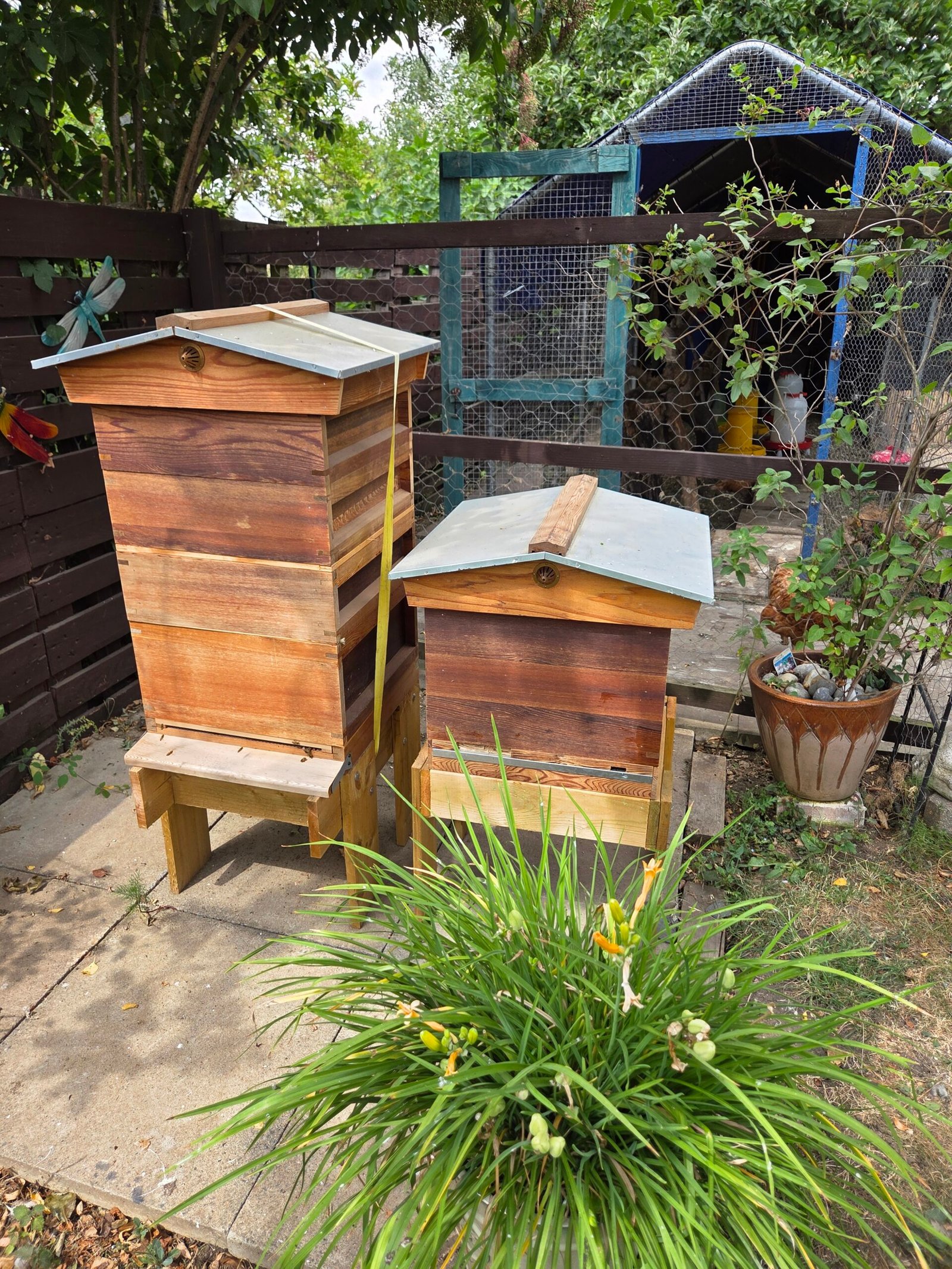
The most popular choice in the UK. This single-walled cedar design is highly modular and strikes a great balance between space for the colony and manageable lifting weight for the beekeeper.
- Standard Box Weight (Full of Honey): ~22 kg (45 lbs)
- Insulation: Single-walled
- Comb Setup: Standard beeswax foundation sheets
- Ease of Inspection: Excellent. The square shape allows you to position standard frames either “warm way” or “cold way” depending on the wind.
- Best For: Backyard apiaries and hobbyists who want standard, easily replaceable parts.
The Langstroth
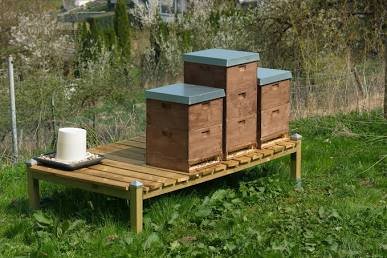
The global standard, especially in North America. The boxes are rectangular and noticeably larger, meaning more honey per box but significantly more weight to lift during an inspection.
- Standard Box Weight (Full of Honey): ~27 kg (60 lbs)
- Insulation: Single-walled (often pine)
- Comb Setup: Beeswax or plastic foundation
- Ease of Inspection: Good, but requires a strong back. The deep boxes are heavy to move when fully loaded.
- Best For: Commercial operations and those who prioritize maximum honey yield over lifting ease.
The WBC
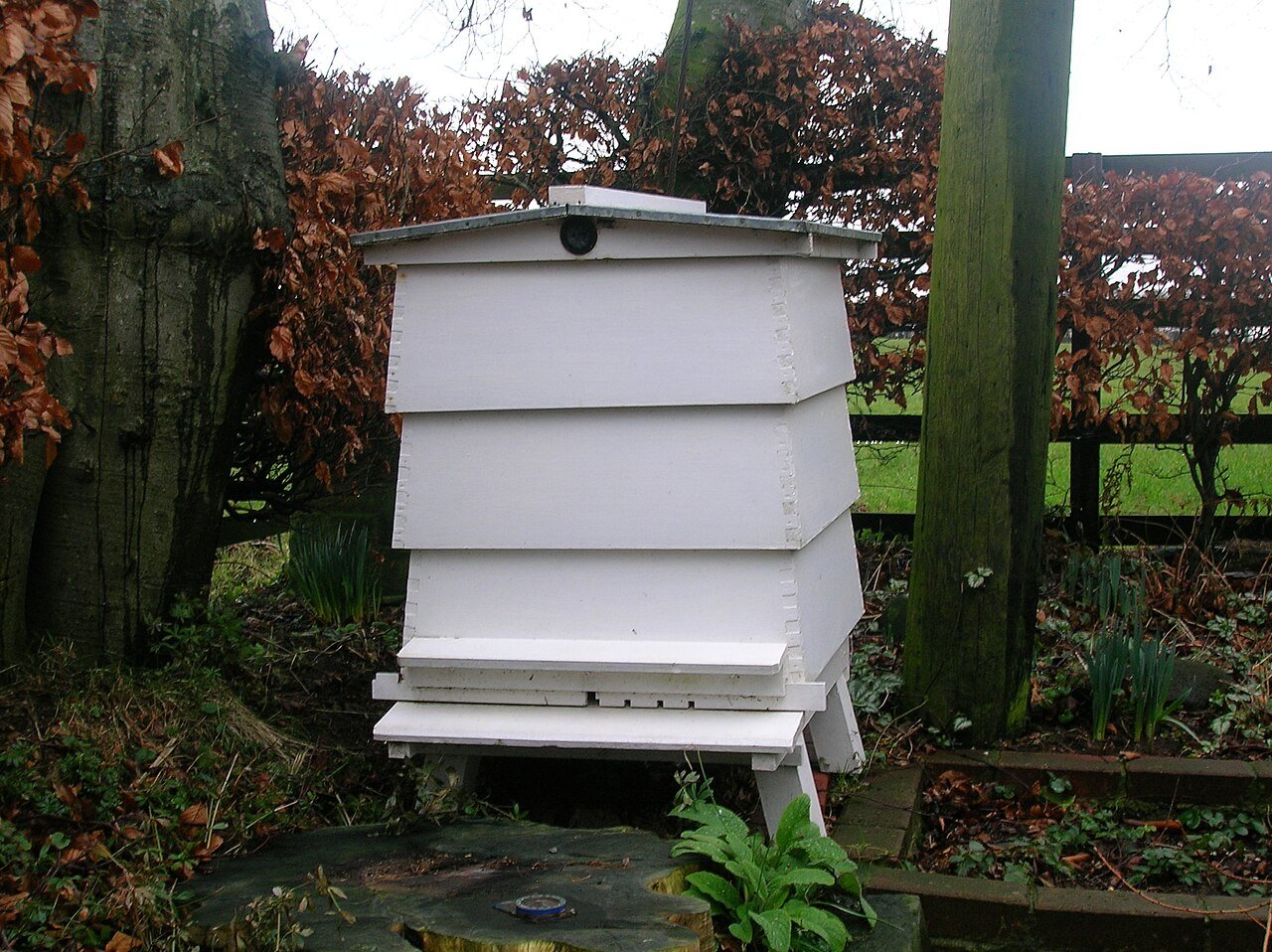
The classic, picturesque “storybook” white hive. It is actually a double-walled system—it has an inner hive that holds the frames, surrounded by angled outer layers (called “lifts”) to protect it from the weather.
- Standard Box Weight (Full of Honey): ~20 kg (45 lbs) for the inner boxes.
- Insulation: Double-walled (excellent winter protection against damp and cold).
- Comb Setup: Beeswax foundation (often uses the exact same frames as the National).
- Ease of Inspection: Tedious. You have to unstack and remove all the outer decorative lifts before you can even begin your actual inspection.
- Best For: Traditionalists and those wanting a beautiful centerpiece for a garden.
The Top Bar
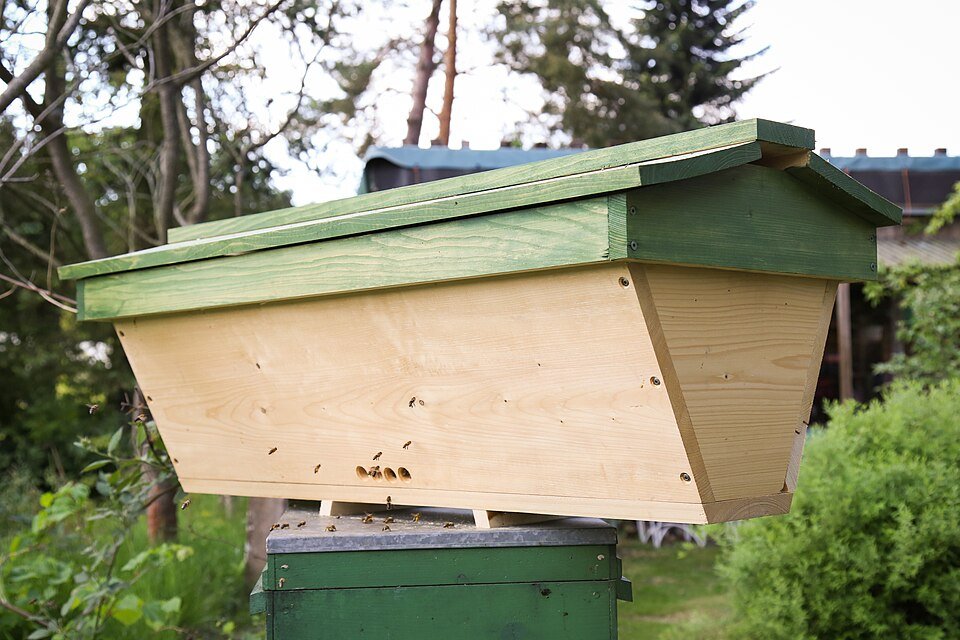
Top-Bar-Hive by Maja Dumat is licensed under CC BY 2.0
A completely different design that expands horizontally rather than vertically. It looks like a long trough standing on legs. Instead of frames inside boxes, the bees simply draw their comb downward from wooden bars resting across the top.
- Standard Box Weight: N/A! You never lift a heavy box, only individual bars weighing around 1–2 kg (2–4 lbs) each.
- Insulation: Single-walled (often built with thick timber).
- Comb Setup: Strictly foundationless. Bees build natural comb entirely from scratch rather than drawing out standard beeswax sheets.
- Ease of Inspection: Excellent for your back, but requires delicate handling. Because there is no wooden frame surrounding the wax, the comb can easily snap if tilted the wrong way during an inspection.
- Best For: Beekeepers who want to eliminate heavy lifting entirely and prefer observing natural comb building over maximizing honey extraction.
The Final Verdict: Where Should a Beginner Start?
Choosing your first hive can feel overwhelming with so many different philosophies and designs on the market. But if you want the smoothest, most practical introduction to beekeeping, my recommendation is to start exactly where the vast majority of UK beekeepers do: with a cedar British National hive.
While the Langstroth is a commercial favourite and the WBC looks incredibly picturesque in a garden, the National strikes the perfect balance for a hobbyist. When you are inspecting your colony on a hot summer afternoon, the manageable weight of a standard National brood box makes a world of difference for your back compared to hauling deep Langstroth boxes.
I also highly recommend outfitting it with standard beeswax foundation sheets. While foundationless setups like the Top Bar are fascinating, beeswax sheets give a new colony a clear, sturdy template to build on. It saves you from dealing with the fragile, easily broken natural combs that can turn a beginner’s first inspection into a stressful mess.
Because the National is the undisputed UK standard, you will never struggle to find replacement frames, spare cedar parts, or local advice. Start with a standard National setup, master the basics of colony management, and you can always experiment with alternative hive styles in the future.